


Injured in a Car Accident in Pasadena?
Pasadena is a hub of activity, connecting major thoroughfares like the I-210 (Foothill Freeway), the SR-134, and the 110 Freeway. While these roads connect us to the rest of Los Angeles, they are also hotspots for serious collisions. Whether you were rear-ended on Colorado Boulevard, T-boned at a busy intersection in Old Town, or involved in a high-speed crash on the freeway, the aftermath is chaotic.
Victims are often left facing mounting medical bills, vehicle repairs, and lost wages, all while dealing with physical pain. To make matters worse, insurance companies often delay claims or offer low-ball settlements that fail to cover the true cost of recovery. You need a Pasadena car accident lawyer who refuses to back down. At Cohen & Marzban, we handle the legal heavy lifting so you can focus on healing.
Proving Liability in Pasadena Traffic Collisions
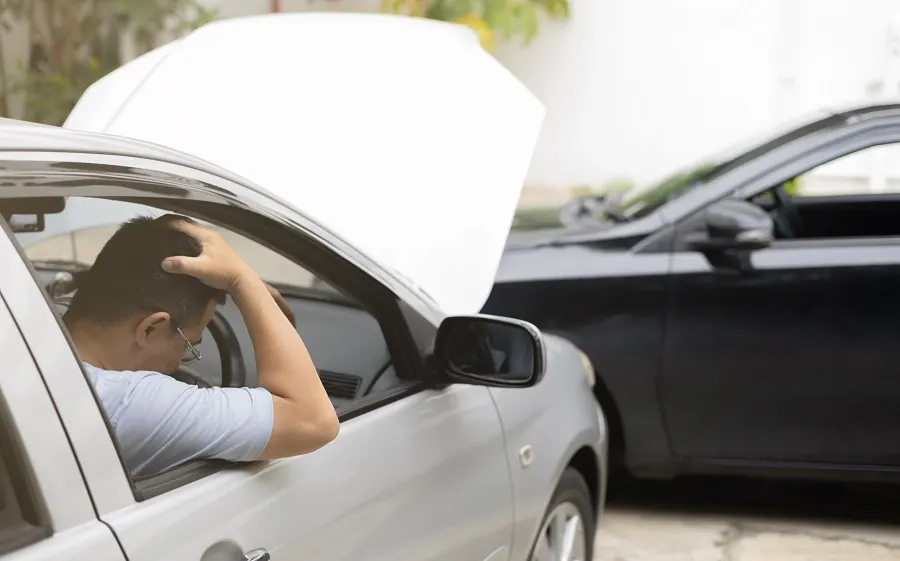
To secure the maximum compensation, we must prove that the other driver’s negligence caused your injuries. Using our extensive investigative resources, we handle cases involving:
- Distracted driving: Drivers texting or looking at phones while navigating busy streets like Fair Oaks or Lake Avenue.
- Speeding and reckless driving: Excessive speeds on the 210 or street racing on surface streets.
- DUI accidents: Collisions caused by drivers under the influence of alcohol or drugs, particularly late at night near entertainment districts.
- Intersection accidents: Drivers running red lights or failing to yield right-of-way at stop signs.
- Freeway pile-ups: Chain-reaction crashes common during Pasadena rush hour traffic.
Most Common Injuries We Represent
Car accidents subject the human body to violent forces it was never designed to withstand. We frequently represent clients suffering from the following serious conditions:
1. Traumatic Brain Injuries (TBI)
Head injuries are among the most dangerous consequences of a crash. They can occur when the head strikes the steering wheel, window, or dashboard, or simply from the violent jolt of impact.
- Concussions: Often dismissed as "mild", concussions can lead to long-term cognitive issues, memory loss, and personality changes.
- Severe TBIs: These can result in permanent brain damage, requiring lifelong care and supervision.
- Delayed symptoms: Be aware that brain injury symptoms like headaches, dizziness, and confusion may not appear for days after the crash.
2. Neck and Back Injuries
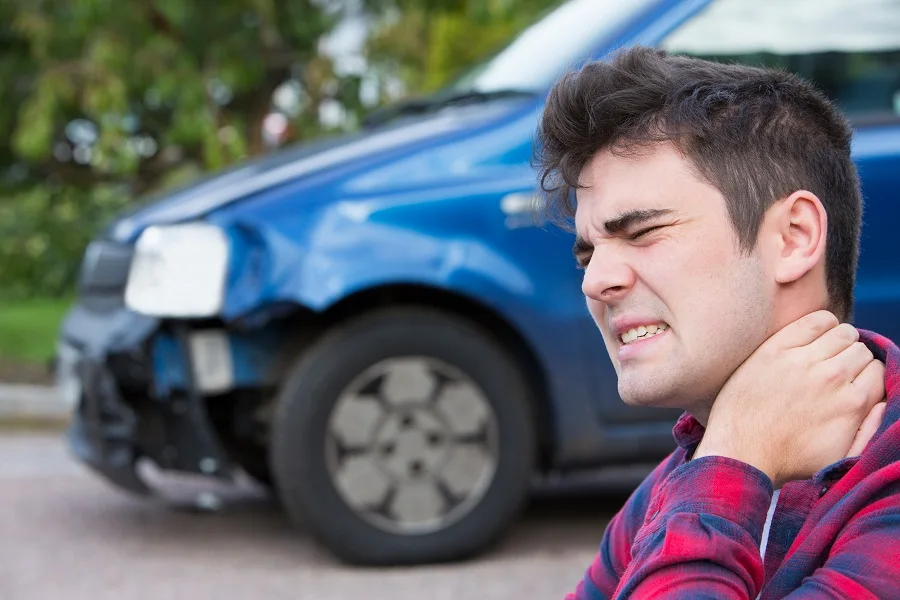
The force of a collision often whips the body back and forth, causing severe damage to the spinal column and surrounding soft tissues.
- Whiplash: This is the most common injury in rear-end collisions. It involves the tearing of muscles and tendons in the neck, leading to chronic pain and stiffness.
- Herniated discs: The impact can cause the cushions between your vertebrae to rupture or slip, compressing nerves and causing radiating pain or numbness.
- Spinal cord injuries: In catastrophic cases, damage to the spinal cord can result in partial or total paralysis (paraplegia or quadriplegia), permanently altering a victim's life.
3. Internal Injuries
Internal injuries are particularly dangerous because they often present no immediate visible symptoms.
- Internal bleeding: The impact from a seatbelt or steering wheel can cause bleeding inside the abdomen, which can be life-threatening if not treated immediately.
- Organ damage: The liver, spleen, and kidneys are vulnerable to blunt force trauma. A ruptured spleen, for example, is a common and critical injury.
- Broken ribs: Fractured ribs can puncture lungs or other internal organs, leading to severe complications.
4. Fractures and Orthopedic Injuries
Bones are strong, but the force of two vehicles colliding is often stronger. We handle cases involving complex fractures that may require surgery and hardware (pins, plates, and screws) to repair.
- Leg and arm fractures: Instinctively bracing for impact can lead to broken wrists, arms, and legs.
- Hip and pelvis fractures: These are common in high-impact crashes and typically require extensive physical therapy.
- Crush injuries: In severe wrecks, limbs may be crushed or pinned, sometimes necessitating amputation.
5. Psychological Trauma
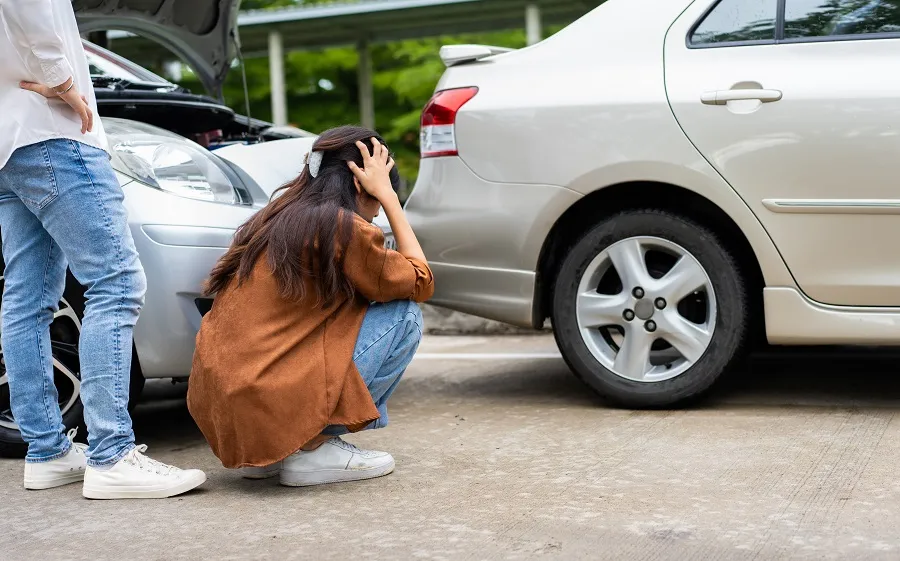
Not all scars are visible. The emotional toll of a violent crash can be just as debilitating as physical pain.
- Post-traumatic stress disorder (PTSD): Many victims experience flashbacks, anxiety, and a debilitating fear of driving or riding in cars.
- Depression and anxiety: The stress of chronic pain and financial worry can lead to severe mental health struggles.
Recovering Full Compensation for Your Losses
A car accident can impact your finances for years. We fight to ensure your settlement covers both immediate and future needs, including:
- Medical expenses: Emergency room visits, surgeries, hospital stays, and rehabilitation costs.
- Future medical care: Ongoing physical therapy, chiropractic care, and future surgeries if necessary.
- Lost wages: Income lost while you were unable to work during your recovery.
- Pain and suffering: Compensation for physical pain, emotional distress, and loss of enjoyment of life.
- Property damage: The cost to repair or replace your vehicle.
Navigating California's "Comparative Negligence" Laws
Many victims hesitate to call a lawyer because they believe they might be partially to blame for the accident. It is vital to understand that California follows a "Pure Comparative Negligence" rule.
This means you can still recover compensation even if you were partially at fault. For example, if you are found to be 20% responsible for the crash, you can still recover 80% of your damages. Insurance adjusters will often try to assign you more fault than you deserve to lower their payout. Our attorneys fight to minimize your liability and maximize your settlement.
.webp)
.svg)


.svg)
.webp)


